1.5.12

Οι Timeliners προτάθηκαν για e-award(s).

Eίναι μερικοί μήνες τώρα που ανακοινώθηκε η προσπάθεια του περιοδικού maga.gr -και με τη συμμετοχή της κοινότητας του διαδικτύου- να οργανώσει τα e-awards. Στην επίσημη σελίδα τους, στην ενότητα Δείκτες βέλτιστου διαδικτυακού περιεχομένου διαβάζουμε σχετικά με την πρόθεσή του: 
"Τα Ελληνικά Βραβεία Διαδικτύου είναι προσανατολισμένα στην διάκριση των ανθρώπων που παράγουν ποιοτικό περιεχόμενο στο Διαδίκτυο, είτε ως απλοί χρήστες, είτε ως δημιουργοί έργων, είτε ως δημοσιογράφοι ή άλλοι επαγγελματίες. Ενδιαφέρει δηλαδή η ανάδειξη της ποιότητας και όχι της δημοφιλίας ή της επαγγελματικής ή άλλης μορφής “επιτυχίας” τους στο Διαδίκτυο. Σκοπός είναι να επισημανθούν άτομα και οντότητες που αφιερώνονται στην παραγωγή αξιόλογου διαδικτυακού λόγου σε συνθήκες Διαδικτύου."

Αφού ψηφίστηκαν για αρκετές βδομάδες οι υποψήφιοι που ο καθένας ήθελε, η Κριτική Επιτροπή επέλεξε, κι ανακοίνωσε χτες, τους υποψήφιους σε κάθε κατηγορία. Έχει ενδιαφέρον να γνωρίσετε/ επισκεφθείτε/δείτε όποια sites, blogs, webradio, vidcast, hashtags, twitter accounts
 Ανάμεσα στις υποψηφιότητες που προτάθηκαν στην κατηγορία webradio-podcast είναι και η εκπομπή που κάνουμε με την @athensbynite, οι Timeliners (στο twitter: @TheTimeliners)η οποία μεταδίδεται κάθε Σάββατο στις 2μμ από το radiobubble.gr και "ανεβαίνει" μετά στο radiobubble.gr και στο blog: www.timeliners.gr.
Η τελική επιλογή θα γίνει από εσάς, την κοινότητα του διαδυκτίου. 
Η ψηφοφορία για όλες τις κατηγορίες ξεκίνησε ΕΔΩ (χρειάζεται να κάνετε μια απλή εγγραφή) και θα ολοκληρωθεί στις 13/5/2012. Η απονομή των βραβείων θα γίνει τη Δευτέρα 14/5. 

Σας προσκαλούμε  να ψηφίσετε, σε όλες τις προτεινόμενες κατηγορίες, όποιες υποψηφιότητες κρίνετε καλύτερες.  Καλή επιτυχία σε όλους.


23.4.12

Δεν ήταν ολόγραμμα στην coachella!


Ο αριθμός των ατόμων που είδαν το video από τη συναυλία της coachella μαρτυράει το ενδιαφέρον για την "εικονική πραγματικότητα".
To συζητήσαμε και στην #28η εκπομπή των @TheTimeliners.
Για μια ακόμη φορά όμως η show biz πούλησε φύκια για μεταξωτές κορδέλλες.
Το υποτιθέμενο ολόγραμμα δεν είναι τίποτε παραπάνω από ένα παλαιότερο τρικ που έχει χρησιμοποιηθεί και στο θέατρο.
Λεπτομέρειες μπορείτε να βρείτε αγγλικά εδώ:

http://en.wikipedia.org/wiki/Musion_Eyeliner

http://arstechnica.com/science/news

και κάποιες πληροφορίες στα ελληνικά:
http://www.e-go.gr/tech/article.asp?catid=17432&subid=2&pubid=129017288

http://www.musion.gr/

1.3.12

BBC News - If Britain were Greece...

Job losses in the tens of thousands, drastic wage cuts, and working even further into old age - just some of the challenges that would loom in the UK if the government had to introduce austerity cuts on the scale currently facing the Greeks. For BBC Radio 4's Broadcasting House - the Sunday Times Economics Editor, David Smith, was asked to imagine what would happen if Britain had Greece's problems

Posted via email from b&p

28.2.12

We, the Web Kids (a manifesto-like for the web generation)

  1. Piotr Czerski
  2. We, the Web Kids.
  3. (translated by Marta Szreder)

  4. There is probably no other word that would be as overused in the media discourse as ‘generation’. I once tried to count the ‘generations’ that have been proclaimed in the past ten years, since the well-known article about the so-called ‘Generation Nothing’; I believe there were as many as twelve. They all had one thing in common: they only existed on paper. Reality never provided us with a single tangible, meaningful, unforgettable impulse, the common experience of which would forever distinguish us from the previous generations. We had been looking for it, but instead the groundbreaking change came unnoticed, along with cable TV, mobile phones, and, most of all, Internet access. It is only today that we can fully comprehend how much has changed during the past fifteen years.
  5. We, the Web kids; we, who have grown up with the Internet and on the Internet, are a generation who meet the criteria for the term in a somewhat subversive way. We did not experience an impulse from reality, but rather a metamorphosis of the reality itself. What unites us is not a common, limited cultural context, but the belief that the context is self-defined and an effect of free choice.
  6. Writing this, I am aware that I am abusing the pronoun ‘we’, as our ‘we’ is fluctuating, discontinuous, blurred, according to old categories: temporary. When I say ‘we’, it means ‘many of us’ or ‘some of us’. When I say ‘we are’, it means ‘we often are’. I say ‘we’ only so as to be able to talk about us at all.
  7. 1.
  8. We grew up with the Internet and on the Internet. This is what makes us different; this is what makes the crucial, although surprising from your point of view, difference: we do not ‘surf’ and the internet to us is not a ‘place’ or ‘virtual space’. The Internet to us is not something external to reality but a part of it: an invisible yet constantly present layer intertwined with the physical environment. We do not use the Internet, we live on the Internet and along it. If we were to tell our bildnungsroman to you, the analog, we could say there was a natural Internet aspect to every single experience that has shaped us. We made friends and enemies online, we prepared cribs for tests online, we planned parties and studying sessions online, we fell in love and broke up online. The Web to us is not a technology which we had to learn and which we managed to get a grip of. The Web is a process, happening continuously and continuously transforming before our eyes; with us and through us. Technologies appear and then dissolve in the peripheries, websites are built, they bloom and then pass away, but the Web continues, because we are the Web; we, communicating with one another in a way that comes naturally to us, more intense and more efficient than ever before in the history of mankind.
  9. Brought up on the Web we think differently. The ability to find information is to us something as basic, as the ability to find a railway station or a post office in an unknown city is to you. When we want to know something - the first symptoms of chickenpox, the reasons behind the sinking of ‘Estonia’, or whether the water bill is not suspiciously high  - we take measures with the certainty of a driver in a SatNav-equipped car. We know that we are going to find the information we need in a lot of places, we know how to get to those places, we know how to assess their credibility. We have learned to accept that instead of one answer we find many different ones, and out of these we can abstract the most likely version, disregarding the ones which do not seem credible. We select, we filter, we remember, and we are ready to swap the learned information for a new, better one, when it comes along.
  10. To us, the Web is a sort of shared external memory. We do not have to remember unnecessary details: dates, sums, formulas, clauses, street names, detailed definitions. It is enough for us to have an abstract, the essence that is needed to process the information and relate it to others. Should we need the details, we can look them up within seconds. Similarly, we do not have to be experts in everything, because we know where to find people who specialise in what we ourselves do not know, and whom we can trust. People who will share their expertise with us not for profit, but because of our shared belief that information exists in motion, that it wants to be free, that we all benefit from the exchange of information. Every day: studying, working, solving everyday issues, pursuing interests. We know how to compete and we like to do it, but our competition, our desire to be different, is built on knowledge, on the ability to interpret and process information, and not on monopolising it.
  11. 2.
  12. Participating in cultural life is not something out of ordinary to us: global culture is the fundamental building block of our identity, more important for defining ourselves than traditions, historical narratives, social status, ancestry, or even the language that we use. From the ocean of cultural events we pick the ones that suit us the most; we interact with them, we review them, we save our reviews on websites created for that purpose, which also give us suggestions of other albums, films or games that we might like. Some films, series or videos we watch together with colleagues or with friends from around the world; our appreciation of some is only shared by a small group of people that perhaps we will never meet face to face. This is why we feel that culture is becoming simultaneously global and individual. This is why we need free access to it.
  13. This does not mean that we demand that all products of culture be available to us without charge, although when we create something, we usually just give it back for circulation. We understand that, despite the increasing accessibility of technologies which make the quality of movie or sound files so far reserved for professionals available to everyone, creativity requires effort and investment. We are prepared to pay, but the giant commission that distributors ask for seems to us to be obviously overestimated. Why should we pay for the distribution of information that can be easily and perfectly copied without any loss of the original quality? If we are only getting the information alone, we want the price to be proportional to it. We are willing to pay more, but then we expect to receive some added value: an interesting packaging, a gadget, a higher quality, the option of watching here and now, without waiting for the file to download. We are capable of showing appreciation and we do want to reward the artist (since money stopped being paper notes and became a string of numbers on the screen, paying has become a somewhat symbolic act of exchange that is supposed to benefit both parties), but the sales goals of corporations are of no interest to us whatsoever. It is not our fault that their business has ceased to make sense in its traditional form, and that instead of accepting the challenge and trying to reach us with something more than we can get for free they have decided to defend their obsolete ways.
  14. One more thing: we do not want to pay for our memories. The films that remind us of our childhood, the music that accompanied us ten years ago: in the external memory network these are simply memories. Remembering them, exchanging them, and developing them is to us something as natural as the memory of ‘Casablanca’ is to you. We find online the films that we watched as children and we show them to our children, just as you told us the story about the Little Red Riding Hood or Goldilocks. Can you imagine that someone could accuse you of breaking the law in this way? We cannot, either.
  15. 3.
  16. We are used to our bills being paid automatically, as long as our account balance allows for it; we know that starting a bank account or changing the mobile network is just the question of filling in a single form online and signing an agreement delivered by a courier; that even a trip to the other side of Europe with a short sightseeing of another city on the way can be organised in two hours. Consequently, being the users of the state, we are increasingly annoyed by its archaic interface. We do not understand why tax act takes several forms to complete, the main of which has more than a hundred questions. We do not understand why we are required to formally confirm moving out of one permanent address to move in to another, as if councils could not communicate with each other without our intervention (not to mention that the necessity to have a permanent address is itself absurd enough.)
  17. There is not a trace in us of that humble acceptance displayed by our parents, who were convinced that administrative issues were of utmost importance and who considered interaction with the state as something to be celebrated. We do not feel that respect, rooted in the distance between the lonely citizen and the majestic heights where the ruling class reside, barely visible through the clouds. Our view of the social structure is different from yours: society is a network, not a hierarchy. We are used to being able to start a dialogue with anyone, be it a professor or a pop star, and we do not need any special qualifications related to social status. The success of the interaction depends solely on whether the content of our message will be regarded as important and worthy of reply. And if, thanks to cooperation, continuous dispute, defending our arguments against critique, we have a feeling that our opinions on many matters are simply better, why would we not expect a serious dialogue with the government?
  18. We do not feel a religious respect for ‘institutions of democracy’ in their current form, we do not believe in their axiomatic role, as do those who see ‘institutions of democracy’ as a monument for and by themselves. We do not need monuments. We need a system that will live up to our expectations, a system that is transparent and proficient. And we have learned that change is possible: that every uncomfortable system can be replaced and is replaced by a new one, one that is more efficient, better suited to our needs, giving more opportunities.
  19. What we value the most is freedom: freedom of speech, freedom of access to information and to culture. We feel that it is thanks to freedom that the Web is what it is, and that it is our duty to protect that freedom. We owe that to next generations, just as much as we owe to protect the environment.
  20. Perhaps we have not yet given it a name, perhaps we are not yet fully aware of it, but I guess what we want is real, genuine democracy. Democracy that, perhaps, is more than is dreamt of in your journalism.
  21. ___
  22. "My, dzieci sieci" by Piotr Czerski is licensed under a Creative Commons Uznanie autorstwa-Na tych samych warunkach 3.0 Unported License:
  23. Contact the author: piotr[at]czerski.art.pl


Posted via email from b&p

19.2.12

How Pinterest Will Transform the Web in 2012: Social Content Curation As The Next Big Thing

The most interesting wave hitting the social web in 2012 is social curation.  This was kicked off in 2011 as Pinterest's growth was noticed by Silicon Valley and a number of companies quickly followed suit - Snip.It launched as a social information curation platform, Quora adopted boards for a similar purpose, and Fab.com launched a structured social commerce feed.

In this blog post I will discuss the evolution of social media from long-form to push-button, the emergence of social curation on sites such as Twitter and Tumblr, and the move to structured sets of curated content on Pinterest and its brethren.

But first, the meta-trend....

...Social Media: Evolving From Long Form To Push Button
In the evolution of social media over the last decade, the trend has been a move from long form content, which has high friction of participation (both on the production and consumption side) to ever lower requirements placed on a user to participate in a conversation.

1999-2004 Blogging Platforms.
Blogger (launched in 1999) and other early social media sites were longer form blogs.  The bar to write content was reasonably high.  These sites effectively had two separate users bases: people who wrote the content (1% or less of users) and people who read or consumed the content (99% of users).  Yelp (2004) is basically a food blogging platform where reviewers will go on about how their boyfriend was mean to them during dinner, before actually reviewing the food.

2004-2007 Status Message Networks.
Facebook (2004) and Twitter (2006) transformed social media by moving from long form blogging to short form social snippets in the form of photos (Facebook) and status updates (Twitter).  This decreased the friction to both producing as well as consuming content, leading to extremely broad participation by a global user base. 

2007-2010 Push Button Interactions.
Some interesting organic user behavior emerged on Twitter, as users would "re-tweet" content as a way to re-broadcast another person's content to their own network.  Similarly, Tumblr (2007) mixed long, medium, and short form content with an additional affordance "re-blog".  Re-blogging allowed a user to repost a blog with a single button, allowing users to essentially curate content without producing any original content. 


Twitter and Tumblr made it easy to re-tweet and re-blog other's content - the first step in social curation of the web (red arrow above indicates re-blog feature on Tumblr)

In parallel, push button private content curation emerged as Instapaper (2008), Evernote(2008), Read It Later (around the same time) all launched applications to allow users to collect and later read content.  However, none of these services had a strong social component.

Foursquare (2009) was one of the first networks to generate social content more or less entirely off of push button interactions.   By checking-in, you broadcast your location to your friends, creating content without actually needed to type a single word.

However, all of the social services continued to serve content as a time ordered stream.  Moving from a stream to a structured collectible set of content was the next innovation in social media.... 

2010-Now Structured Sets And Social Curation.
Pinterest (launch 2010) was one of the first sites to take push button content generation (via bookmarklets and "re-pinning") and structure it into sets of curated content called "boards".  This allowed users to collect content from across the web, as well as from other users on the site.  In some sense it took what a site like Tumblr had been doing but transformed blog-like streams into structured, curated collections users could share.  Importantly, it was easy for new users to consume these sets of content visually as structured sets, and to share these sets with others.

David King has pointed out an interesting insight - by constructing content in a structured set versus a stream, sites such as Pinterest and Snip.It have prevented stream-based sites such as Facebook from becoming a compelling place to consume the Pinterest or Snip.It content (which contrasts with e.g. Instagram or other stream based sites).

Pinterest boards are not as consumable on Facebook as stream-based sites such as Instagram, carving out a large new social media market for this behavior.

This new affordance is currently being adopted by other sites leading to all sorts of interesting behavior including:
  • Collecting news and information.  Snip.It (2011) was an early product to allow for social curation and structured sets of news and information based content.  Recently Quora (launched boards end of 2011) entered this market by adding "boards" for curating content from across the web to its core Q&A product.
  • Commerce.  Nils Johnson (one of the smartest social commerce guys out there) has pointed out how Fab.com recently used a Pinterest-like affordance in its "feed" to drive social curation of products.  (See image below on how closely the Fab UI mimics Pinterest).  It is similarly likely Pinterest will monetize in a number of interesting ways on the product discovery and commerce side.
  • Social media.  Storify (2011) has added an additional structured curation layer on top of Twitter.

Pinterest UI above, Fab.com UI below.

As you can see the Fab UI has followed the Pinterest one.

Summary: 2012 Will Be The Year of Curated Sets
2012 will likely see an acceleration of structured, push button, social curation across the web.  Why?  Because most users don't want to take much effort to produce content, and consuming content in a structured manner (especially photos) is also much faster.  Just as the first wave of social media has transformed the consumption of information, this next wave of social curation will fundamentally change how users find and interact with content over time.

Many thanks to Nils Johnson and David King for conversations that led to some of the insights in this post. 

via http://blog.eladgil.com/2011/12/how-pinterest-will-transform-web-in.html?spref=tw#

Posted via email from b&p

9.1.12

Oι Timeliners είναι παντού.

Πριν από αρκετό καιρό είχα γράψει εδώ για τη νέα μας ηχητική δραστηριότητα μαζί με την @athensbynite .

Aπό τότε έχουν περάσει σχεδόν 4 μήνες. Η εκπομπή μας στο @radiobubble ακούγεται κάθε Σάββατο (ή και αργότερα, όπως ένα podcast, για όποιον δεν την προλαβαίνει live).
Αισίως, έχουμε φτάσει στην εκπομπή #14.

Για όποιον θέλει να την παρακολουθήσει live, κάθε Σάββατο μεσημέρι στις 2μμ, θα πρέπει να κάνει click στον bubbleplayer.
Αργότερα, ανεβάζουμε ένα αρχείο .mp3 στο site των timeliners: www.timeliners.gr αλλά και στο liveradio του radiobubble. Eπίσης μπορείτε να την κατεβάσετε και από itunes .
Η θεματολογία μας προέρχεται κυρίως από τα timelines των κοινωνικών δικτύων. Τη μουσική επιλέγει πάντα η @athensbynite που είναι και ειδική στο θέμα.

Ελπίζουμε να μας ακούτε. Aν δεν το έχετε κάνει, ευκαιρία είναι να μας ακούσετε τώρα. Α, περιμένουμε και τα σχόλια σας, στο twitter @TheTimeliners,  στο www.timeliners.gr αλλά και στο www.facebook.com/timeliners και στο Google+ ή και όπου αλλού μας "συναντήσετε" διαδικτυακά.

Καλές ακροάσεις.

6.1.12

Storytelling και δεξιότητες

Οι νέοι σήμερα και η δουλειά φαίνεται να πηγαίνουν παράλληλα τα τελευταία χρόνια και με δυσκολία “συναντιώνται”.
Τα στοιχεία λένε ότι ένας στους τέσσερις νέους είναι χωρίς δουλειά, μία στις πέντε γυναίκες δεν βρίσκει εργασία, ενώ από τους ανέργους πάνω από ένας στους δύο συμπλήρωσε ένα χρόνο χωρίς εργασία. Αυτά δίνει η Ελληνική Στατιστική Αρχή για την ανεργία στο Γ΄ Τρίμηνο του 2011 ενώ το ποσοόστο της ανεργίας -γενικώς- έχει φτάσει στο 17,7%. (http://goo.gl/Tq3jZ  )
Μέσα σε αυτό το "εχθρικό" περιβάλλον πώς να ξεκινήσεις την εργασιακή σου ζωή; Δύσκολο. Κι όμως μέσα σε αυτές τις δυσκολίες κάποιοι έχουν επιτυχία. Πώς; Γιατί;
Διότι α) το πιστεύουν β) το θέλουν πολύ γ) εξαντλούν όλες τις πιθανότητες και δεν περιμένουν άπραγοι  δ) ψάχνουν και ενημερώνονται για τους τομείς που δείχνουν να έχουν ανάπτυξη ακόμη και σε περίοδο ύφεσης και  ε) είναι όσοι γνωρίζουν να περιγράφουν καλά τον εαυτό τους  και να δημιουργούν ενδιαφέρον για εκείνους. Αυτοί που κατέχουν το θέμα του storytelling.  Και είναι αυτοί που έχουν σχεδόν πάντα θετικό αποτέλεσμα.
Κι ακόμη, για τις νέες ανάγκες όπως φαίνεται να διαμορφώνονται από δω και πέρα καλό είναι να έχουμε υπόψη ότι όταν είσαι νέος θέλεις  γρήγορα να εξελιχθείς.  Θεωρείς σημαντικό στοιχείο μόνο την τυπική γνώση.  Αυτά που έχεις μάθει  στις σχολές και τα πανεπιστήμια.  
Ναι, σωστά, αυτά είναι σημαντικά και απαραίτητα . Αλλά φαίνεται  ότι πιο απαραίτητο είναι να γνωρίζεις τι συμβαίνει γύρω σου, τι ανάγκες διαμορφώνονται και ποιες νέες κατευθύνσεις και προοπτικές διαφαίνονται.  Στη σημερινή εποχή είναι απαραίτητο πλέον να λειτουργεί κανείς με πολύπλευρες δεξιότητες και γνώσεις.   Ένα παράδειγμα για τον χώρο της επικοινωνίας
Όχι πολλά χρόνια πριν,  υπήρχε η τάση προς την εξειδίκευση. Σήμερα άλλαξαν  τα πράγματα.  Έχουμε ανάγκη από άτομα με πολλαπλές  ικανότητες. Είναι σημαντικό να ξέρεις το σύνολο της διαδικασίας   και όχι μόνο το μικρό συγκεκριμένο τμήμα ή διαδικασία που καλείσαι να εξυπηρετήσεις στην καθημερινότητα.  Από την εξειδίκευση θεωρώ ότι περνάμε στην συνολική γνώση. Περνάμε στους εργαζόμενους πολλών δεξιοτήτων: Οι δημόσιες Σχέσεις πρέπει να έχουν και digital skills. Οι digitals πρέπει να γνωρίζουν τα βασικά της  αποτελεσματικής επικοινωνίας και τις  τεχνικές  προβολής και παρουσίασης . Όλοι πρέπει να ξέρουμε πώς να διαπραγματευόμαστε κι όχι μόνο τα media shop και οι υπεύθυνοι παραγωγής. Όλοι πρέπει να έχουμε μίνιμουμ  στάνταρντ αισθητικής.
Η αυτοβελτίωση όχι μόνο θα μας ανοίξει μια νέα πόρτα  αλλά θα μας βοηθήσει και σε προσωπικό επίπεδο να βιώσουμε καλύτερα τις δυσκολίες  που θα τύχει να συναντήσουμε.

*Ένα ενδιαφέρον video μπορείτε να δείτε εδώ:
«The Key Ingredients of a Good Bio: How to Get Others to Believe In You»
http://vimeo.com/32484504.

**To post μου αυτό δημοσιεύτηκε στο kariera.gr με τίτλο :

«Πολλαπλές ικανότητες και γνώσεις» το μυστικό της επιτυχίας στην εποχή μας.

28.12.11

The History of Advertising

4.12.11

TEDxAthens 2011 - Συνολική αποτίμηση: Θετική.

The Art of Desruption το θέμα του φετινού TEDxAthens.
Δεν το πέτυχαν παντού.
Κατά τη δική μου άποψη δικαίωση στο θέμα έδωσαν:
Η οργάνωση που ήταν εξαιρετική αλλά και κατά κάποιο τρόπο ανατρεπτική. Check in εκτός αίθουσας στη λιακάδα, με όχι μεγάλη διάρκεια αναμονής. Όλα υπό έλεγχο και σε όλη τη διάρκεια έβρισκες πάντα κάποιον να απαντήσει στην ερώτηση που είχες.
Το φαγητό, ανατρεπτικό για τέτοιες εκδηλώσεις. Απλό με προσήλωση στην ελληνική κουζίνα και ταυτόχρονα με πολυ εντυπωσιακή παρουσίαση. Τα μανταλάκια στις πιτούλες, τα όσπρια στα "ποτηράκια"... Πολύ όμορφα και γευστικά.
Η διάρκεια του TEDxAthens... εκεί να δείτε ανατροπή! Πάνω από 12 ώρες... Αυτή την "ανατροπή" θα την καταχωρίσω στα αρνητικά. Ήταν πολύ κουραστικό.
Αρκετές ομιλίες ήταν ενδιαφέρουσες, πολλές αδιάφορες. Δεν μπορώ να πω ότι βρήκα κάποια ανατρεπτική. Αν μάλιστα έλειπαν μερικές δεν θα πείραζε καθόλου και ίσως βοηθούσε να διαρκέσει λιγότερο η εκδήλωση.
Οι πιο ενδιαφέρουσες -για μένα-  ομιλίες ήταν αυτές του Rory Sutherland και του Joe Trippi. Από τους Έλληνες ομιλητές ενδιαφέρον είχαν ο Κωνσταντίνος Δασκαλάκης, ο Χάρης Τσέβης και η Ματίνα Στέβη.
Εντυπωσιακή ήταν και η ομιλία του νεαρού Ricardo Soousa αλλά θα συμφωνήσω με τον @javapapo που έγραψε εδώ:"Ωραία τα όνειρα και ο ενθουσιασμός αλλά η πραγματικότητα μας αναγκάζει όλους να συμβιβαστούμε σε μικρό ή μεγάλο βαθμό. Άρα όχι δεν θα πάρω άλλο 19χρονο όνειρο - θα κρατήσω την φρεσκάδα και την αισιοδοξία τους - αλλά thats about it.(Δεν είπαν και κάτι συγκεκριμένο έτσι και αλλιώς)."
Στο timeliners.gr έχω ανεβάσει 2-3 video από τις ομιλίες του Juliano Tubino και του Rory Sutherland.
O  Ελληνικός Κόσμος ως χώρος και ειδικά η ιδέα της αίθουσας όπου μπορούσες να ξεκουραστείς και να φορτίσεις συσκευές  αποδείχτηκαν και φέτος ιδανικά.
Θετική εντύπωση επίσης μου έκανε, ότι παρ' όλο τον μεγάλο αριθμό των χορηγών δεν είχαν "καπελώσει" με την παρουσία τους της εκδήλωση. Θα έλεγα ότι ήταν διακριτική η παρουσία τους.

Συμπέρασμα: Χώρος και οργάνωση: άριστα. Διάρκεια και ομιλητές μπορούσαν να είναι καλύτερα.
Τι μας έλειψε; το άκουσμα νέων πραγμάτων. Δεν μάθαμε κάτι καινούργιο.
Περάσαμε όμορφα όμως. Γνωριστήκαμε όσοι διαδυκτιακοί φίλοι δεν είχε τύχει να βρεθούμε σε άλλες εκδηλώσεις.
Συνολική αποτίμηση: Θετική.

11.11.11

Η ημερομηνία 11/11/11

Η σημερινή ημερομηνία, 11/11/11, συμβαίνει μια φορά στη διάρκεια κάθε αιώνα, κάνοντας το Νοέμβριο μήνα ψυχαγωγικής δημιουργίας  των μαθηματικών.
(διαβάστε, στα αγγλικά, όλο το άρθρο: http://www.livescience.com/)
 

30.10.11

Επείγον: Αναζητείται δικαιοσύνη.

     Έχω αγωνία για την οικονομία, το άμεσο και το απώτερο μέλλον. Όπως όλοι.
2 χρόνια τώρα αισθάνoμαι κάθε μέρα και μεγαλύτερη απογοήτευση. Για τις "δεξιότητες" των πολιτικών, για τη σκληρότητα των τραπεζών, για τις λαμογιές πολλών, για εμάς... Δυό χρόνια τώρα έχουν γίνει απίστευτες γκάφες, έχουν προχωρήσει ελάχιστα -ή καθόλου- θέματα που θα έπρεπε σήμερα να έχουν ολοκληρωθεί. Δύο χρόνια τώρα έχουν γίνει ελάχιστα που "ίσως" να εξελιχθούν θετικά. Με αμφιβολίες...

Τί είναι αυτό που μας έχει απογητεύσει τόσο και μας έχει (ή αρχίζει να μας έχει) κάνει άνω κάτω; Τα οικονομικά;  H ανεργία; Ο φόβος έλλειψης χρημάτων για την πληρωμή των βασικών -συντάξεις, μισθοί, δαπάνες δημοσίου; Η αβέβαιη προοπτική; Όλα αυτά μαζί;

Πολλοί λένε ότι φταίνε οι πολιτικοί και οι μεγάλοι "επενδυτές".
Κάποιοι άλλοι λένε ότι φταίνε γενικότερα οι πολίτες, οι πολλοί, που όλα αυτά τα χρόνια ζούσαν με  δανεικά, είτε ως δανειολήπτες είτε ως δημόσιοι υπάλληλοι, είτε ως φοροφυγάδες.

Σε όποια πλευρά κι αν βρίσκεται η αλήθεια ή, σωστότερα, σε όποια πλευρά κι αν βρίσκεται η λύση στο πρόβλημά μας, δεν πρόκειται να έχουμε εξέλιξη, σύμπλευση, ηρεμία και κοινωνική ειρήνη αν δεν αποδοθεί δικαιοσύνη. Δικαιοσύνη για μένα σημαίνει να βρεθούν όσο περισσότεροι ένοχοι γίνεται και να τους ζητηθεί να επιστρέψουν τα χρήματα που έχουν καταχραστεί. Είτε είναι πολιτικοί που χρησιμοποιήσαν για δικό τους όφελος δημόσιο χρήμα είτε είναι απλοί πολίτες που δεν πλήρωσαν αυτό που αντιστοιχεί στο εισόδημά τους είτε είναι επιχειρηματίες που έκλεισαν την επιχείρηση αλλά οι ίδιοι απολαμβάνουν του πλούτου που απόκτησαν σε βάρος των υπολοίπων.
Απόδοση δικαιοσύνης. Τίποτα περισσότερο, τίποτα λιγότερο.
Και αν αυτό επιτευχθεί, τότε όλοι μαζί θα κάνουμε ο,τιδήποτε χρειάζεται για να περάσουμε στην επόμενη φάση: με δυσκολίες, με λιγοστά εισοδήματα, με ταλαιπωρία. Αλλά θα έχουμε αποκτήσει *εμπιστοσύνη* προς αυτούς που θα κυβερνούν. Τοπικά αλλά και σε ευρωπαϊκό επίπεδο. Αλλά και μεταξύ μας, οι πολίτες.

Διαφορετικά θα έχουμε αδικηθεί κατάφωρα. Κάποιοι που ήταν μια ζωή συνεπείς, νομοταγείς, έντιμοι θα έρθουμε στο ίδιο επίπεδο με αυτούς που ήταν ρεμάλια, λαμόγια, "πονηροί" και ανέντιμοι. Αυτός που γλένταγε, δανειζόταν και δεν πλήρωσε ποτέ δεν θα διαφέρει σε τίποτα με αυτόν που ήταν πάντα τυπικός και συνεπής. Ε αυτό, είναι μεγάλη αδικία, απαράδεκτο και ιδιαίτερα προκλητικό.

Σταματήστε λοιπόν να μου επαναλαμβάνετε ότι φταίω.  Κάντε κάτι για να με πείσετε ότι είστε έντιμοι και ικανοί ΕΣΕΙΣ. Ότι μπορείτε να κάνετε τη δουλειά σας σωστά και να δώσετε λύση, έστω και τώρα. Φροντίστε να αναπτυχθεί πάλι η μεταξύ μας εμπιστοσύνη.
Με συνεργασίες; Με παραιτήσεις; Βρείτε το. Εδώ και τώρα!

Αλλιώς, θα πρέπει να περιμένετε (και να περιμένουμε) τα χειρότερα. Είτε από την πλευρά των πολλών (αναταραχές) είτε από την πλευρά των λίγων (δεν θέλω ούτε να το γράψω...).

7.10.11

Τhe Timeliners #02, liveradio @radiobubble

Live κάθε Σάββατο στις 2μμ στο radiobubble.gr.


Aκούγονται τα τραγούδια:
  1. The Shadows- Guitar Tango
  2. The Turtles- Happy Together
  3. John Lennon-Stand By Me
  4. The Doors-Spanish Caravan
  5. Oasis-Wonderwall
  6. Vaccines-Norgaard
  7. The Cars- Just What I Wanted
  8. Jay Z & Kanye West- Why I Love You
  9. Pulp- F.E.E.L.I.N.G C.A.L.L.E.D L.O.V.E
περισσοτερες πληροφορίες: timeliners.gr. Eυχαριστούμε για την ακρόαση.

1.10.11

Τhe Timeliners, liveradio @radiobubble

Η ιστορία με τα podcast ξεκίνησε με τα Audio Files, που έγιναν Music Files κ μετά, παρέα με την @athensbynite, έγιναν FlipSideCast ). Και τώρα, η συνέχεια του έγινε βδομαδιάτικη live εκπομπή στο www.radiobubble.gr.  Κάθε Σάββατο μεσημέρι 2.00-3.00μμ. Και τη βαφτίσαμε (νονά η Αθηνά): Τimeliners.
Όπως υποδηλώνει και το όνομα, λέμε για όσα γράφονται στα timelines του twitter και του facebook αλλά και γενικότερα στο internet. Θέματα θα διαλέγουμε μαζί. Τη μουσική θα διαλέγει η @athensbynite ενώ την "τεχνική" επιμέλεια θα έχω εγώ, ανεβάζοντας μετά από το live και το ηχητικό αρχείο στο πολύ όμορφο site της εκπομπής: www.timeliners.gr αλλά και στο liveradio.radiobubble.gr 
Φτιάξαμε και σελίδα στο facebook. Eνώ όμως αρχικά μας την ενέκρινε, μετά μας τη μπλόκαρε (λόγω του λανσαρίσματος του δικού του timeline! (Όμως εμείς την είχαμε ανοίξει μέρες νωρίτερα, αλλά άντε να βρούμε άκρη με τα μεγάλα συμφέροντα!). Έχουμε στείλει emails και περιμένουμε να δούμε πότε και αν θα μας την ξεμπλοκάρει! Στο twitter θα μας βρείτε ως @TheTimeliners.

Ελπίζουμε να μας ακούτε και να μας στέλνετε τα σχόλιά σας.

H πρώτη εκπομπή Τimeliners #01:

ή μπορείτε να την κατεβάσετε από ΕΔΩ

18.9.11

The six-step guide to getting more out of your media plan


When businesses invest in advertising to drive sales, the planning of that investment to maximise return. Ralf Schweitzer highlights six critical factors for success.

The process that leads to a media plan is fluid. Proposals are changed frequently as business priorities shift and budgets are revised. To ensure the final media plan is as effective as the initial proposal, it’s crucial to bear in mind the factors that can be compromised by revision and change. Keeping sight of the following six steps will ensure that even the most-reworked media plan will deliver the best impact for the business.

1. Understand the business environment you operate in.

This should go without saying, but as advertising impact is affected by lots of other factors, timing is crucial. Aligning advertising and promotional activity will trigger multiplier effects, while stronger seasonal leverage might be offset by adverse competitive campaigns. Such complexity can only be understood when you have a solid understanding of all factors affecting your business.

2. Understand the trade-off between seasonality of demand and seasonality of media cost.

The cheap summer months for TV often get overlooked because “everyone is on holiday”. When we look at actual data, we often find that whilst sales are usually lower, the percentage fall certainly does not imply that nobody is buying. If the low season coincides with months when media is cheap, then it can be an attractive opportunity to earn a good return on your marketing investment.

3. Understand the memory effect of your advertising.

An advertising message doesn’t lose its impact the moment it ceases to appear on TV or elsewhere. The message stays with the consumer for a period of time. The exact period of retention varies from product to product and campaign to campaign, but understanding how long consumers will continue to act on your message is essential to getting the spacing between each burst of advertising right.

4. Understand the number of contacts a consumer needs to take action.

Every consumer is different but there are frequencies of contact that are more effective than others. These are influenced by the product category and the complexity of the message. Having an idea of the number of contacts that work best can strongly affect your media optimisation, making your campaign much more successful. You’ll know whether to follow a reach or frequency strategy in mass media or when to set frequency caps in digital. Over the years, we have observed that adverts with a strong call to action require a lower OTS than adverts with a softer, image-focused message.

5. Understand that the world is changing and the effectiveness of media with it.

The media world is changing at an increasingly rapid pace. Combined with technical innovation and shorter product life cycles this means the effectiveness of advertising can change quickly as well – from the launch of a product to on-going campaigns or as a medium loses significance. It is important to re-evaluate regularly to ensure that the latest findings are reflected in your current plan.

6. Test and learn.

Change brought about by digital represent a new frontier for many brands. Digital advertising includes a range of formats from display to affiliate to search and their place in the media mix is not established. The power of these platforms to deliver changes in behaviour alongside other media, in particular, is not fully understood. See this as an opportunity to test and learn. Allow some space in the plan to try new things, but don’t forget to make sure they are tried in a way that can be measured, so you can apply any learnings to the next round of planning.


Ralf Schweitzer is Manager, Marketing Effectiveness at Ebiquity (Germany)


Share

Posted via email from b&p

3.8.11

To "παιχνίδι" με τα ελληνικά νησιά: #islandsGR

Ξεκίνησε χωρίς κανένα προγραμματισμό! Στο twitter, από δύο tweet της @kapsali


και την ενθουσιώδη συνέχεια από την @nikisot  κι εμένα:


Η @kapsali ετοίμασε  το εβδομαδιαίο πρόγραμμα σε google calendar, ώστε να ξέρουμε για ποιο νησί θα γράφουμε κάθε μέρα, συμφωνήθηκε το hashtag: #islandsGR.... κι αυτό ήταν!
Από κει και μετά η "δουλειά" μοιράστηκε στους tweetterers... Καθένας ανέβαζε μια φωτογραφία, ένα link, μια φράση... Επειδή όμως τα tweets "σβήνονται" ή τουλάχιστον δεν τα βρίσκεις μετά από κάποιο διάστημα, σκέφτηκα να τα κρατήσω σε ένα storify, (ένα χώρο όπου εύκολα μπορείς να αναδημοσιεύσεις/συγκεντρώσεις στοιχεία από διάφορες πλατφόρμες).

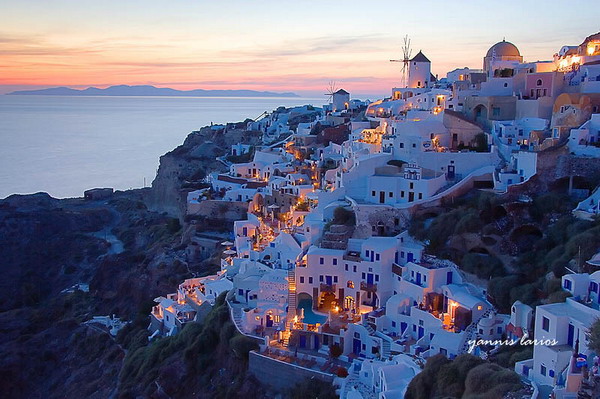
via  http://www.larios.gr 
Beautiful Santorini gets a SILVER Award- July 2011 Competition | SWPP (LONDON) - Society of Wedding and Portrait Photographers (@larios)

Eίμαστε στην 4η και τελευταία βδομάδα του "παιχνιδιού". Δεν έχω μετρήσει πόσα tweets έχουν γίνει αλλά σίγουρα είναι πολλά! Και τα links οδηγούν σε -κυριολεκτικά- χιλιάδες φωτογραφίες ή και video... Το "παιχνίδι" φαίνεται ότι απέδωσε, χωρίς ιδιαίτερο κόπο, αφού όλοι μαζί βάλαμε "λιθαράκια".
Η δύναμη των πολλών στα social networks φάνηκε για ακόμη μια φορά κι εδώ στα #islandsGR.
Καλές διακοπές!

17.7.11

FlipSideCast #12 @radiobubble


Ο Διαγωνισμός
Στο καρακαλοκαιρινό FlipSideCast #12 αποφασίσαμε και κάνουμε έναν διαγωνισμό:
Ακούστε μας από την αρχή ως το τέλος, η έστω ακούστε μόνο τα κομμάτια, βρέστε πιά είναι και μετά γράψτε τα με τη σειρά που ακούγονται στο FlipSideCast (ΑΥΞΩΝ ΑΡΙΘΜΟΣ/ΤΙΤΛΟΣ/ΚΑΛΛΙΤΕΧΝΗΣ) στη θέση για τα σχόλια που υπάρχει κάτω από το podcast στο site του radiobubble.
Η σωστή σειρά και λίστα  θα ανέβει από εμάς στις 22 Ιουλίου και, αν υπάρχουν πολλοί σωστοί, μετά από κλήρωση ένας θα κερδίσει ένα ολοκαίνουριο, επτασφράγιστο άλμπουμ του Nick Cave και της παρέας του. Αν δούμε και είστε πολλοί θα κληρώσουμε κι άλλα δώρα.
Κάποια links που αναφέρουμε:
για τις συνταγές: http://www.google.com/landing/recipes/
για το "παιχνίδι-καμπάνια" στο twitter για τα Ελληνικά νησιά με hashtage #islandsGR θα βρείτε τα tweets εδώ: http://storify.com/sotomi/greek-islands
και το ημερολόγιο εδώ: http://goo.gl/OtvsC
Aν κάτι άλλο αναφέρουμε που ξεχάσαμε να σημειώσουμε εδώ... μας το θυμίζετε με ένα σας σχόλιο.
Ευχαριστούμε που μας ακούτε...
Καλή ακρόαση!

Download FlipSideCast #12


27.6.11

200εκ accounts στο twitter και 700εκ στο facebook (συνολικά)

5.6.11

Σκέψεις για τα πολύπλοκα.

Παρακολουθώ αυτά που συμβαίνουν κάθε μέρα στο κέντρο της Αθήνας. Διαβάζω στο internet, ακούω από φίλους, ακούω απ' το ραδιόφωνο, βλέπω στην τηλεόραση τις υπέρ ή κατά απόψεις.
Διάβασα λοιπόν χτες το γραπτό του  "@Mandravelis: Οι προτάσεις που εγκρίθηκαν στην Puerta de Sol (http://bit.ly/l8uR81 ή εδώ ) ΚΑΙ το ψήφισμα της Αθήνας (http://real-democracy.gr/votes)" όπου συγκρίνει και, λογικά, απαξιώνει το ψήφισμα της Αθήνας. Θύμωσα -γιατί θα 'θελα να είναι αλλιώς- και σκέφτηκα ότι α) είναι λίγο νωρίς ίσως και β) όποιος κάνει σκληρή κριτική ας ασχοληθεί λίγο παραπάνω και από πιο κοντά με αυτό το "γενικόλογο" που βγαίνει από το Σύνταγμα. Ας μην μένει μόνο στη σκληρή κριτική.
via www.techfever.net
Προχτές, και χτες, έγινε συζήτηση για τις καντίνες στη συνέλευση στο Σύνταγμα. Και η συνέλευση έγινε σχεδόν μπάχαλο. Έτσι την είδα στο ustream. Και σε πρώτη "ανάγνωση" οι καντίνες συμβολίζουν πανηγύρι, είναι αλήθεια. Αλλά επίσης σωστό είναι ότι α) η πλατεία ανήκει σε όλους β)αν φύγουν, κερδισμένα θα βγουν τα McDonald's  γ) ποιος κ ως τι θα τους το πει και γιατί θα τον ακούσουν; και δ) είναι αυτό σημαντικό θέμα ώστε να απασχολεί τόσο πολύ; (κορυφαίο tweet: "Tελικά θέλουμε να φύγει το ΔΝΤ ή οι καντίνες;")
Είμαστε σε μια περίοδο που μεταφέρονται τα πάντα πολύ γρήγορα και χωρίς φιλτράρισμα -λόγω του internet και των πολιτών που το χρησιμοποιούν. Το βασικότερο όμως συστατικό της εποχής είναι ότι οποιοδήποτε θέμα έχει πλέον αυξημένη πολυπλοκότητα. Τα πάντα είναι σύνθετα, έχουν πολλές όψεις και φαίνονται δύσκολα. Μπερδεμένα. Και χρειάζεται να ξεμπερδευτούν. Να απλοποιηθούν.
Και δεν βλέπω πουθενά έναν Θησέα (επικεφαλής, ηγέτη) που έχοντας το μίτο της Αριάδνης (βούληση των πολιτών) να σκοτώσει το τέρας που λέγεται Μινώταυρος (διαφθορά-ανοργανωσιά-ανικανότητα).
Πολλοί θα μου πουν ότι είμαστε στην εποχή των grass roots, (της δημιουργίας, απόφασης και δράσης των πολλών) και ότι δεν χρειάζεται ο ένας, ο επικεφαλής. Ίσως να 'χουν και δίκιο.
Θα μας το δείξει άραγε η πράξη;

24.5.11

FlipSideCast #11 @radiobubble


Το FlipSideCaste #11 είναι εδώ!
Συζητάμε για πολλά και διάφορα η
@athensbynite και η @sotomi.
Για τις μετρήσεις στο twitter: www.greekbirds.gr και www.trending.gr
Για το θέμα με την ΑΕΠΙ: www.livemovies.gr/aepi-28-03-2011
Το Διαδίκτυο, η δημοκρατία και η δημοσιογραφία των πολιτών - @asteris: www.sgt.gr/gr/programme/event/171
livestream #spanishrevolution http://www.soltv.tv/soltv/index.html
Χάρτης για #spanishrevolution www.thetechnoant.info/campmap/
http://www.primaverasound.com/ps/?lang=en
Έρευνα CSR 2011 www.ioc.gr
Για τσάι και εξαρτήματα τσαγιού www.tsai.gr
Νέα εφαρμογή για να βρείς ταξί απ' το κινητό www.taxibeat.gr
www.friendfeed.com
www.joindiaspora.com και http://cubbi.es/

Aκούγονται τα τραγούδια:
1. House Of The Rising Sun-Bob Dylan
2.You Can't Always Get What You Want-Rolling Stones
3.What Do You See-Blackfire
4.We've Gotta Get Out Of This Place-Animals
5.Apache-Bert Weedon
6.True Love That's A Wonder-Sandy Coast
7.Don't Bogart Me- Fraternity Of Man
8.Go West (1992-12 inch mix)-Pet Shop Boys
9.In The Year 2525-Ian Brown
10.Cowgirl In The Sand-Neil Young

Καλή ακρόαση!

Download FSC_11.mp3


10.4.11

Allianz: Άψογη συνεργασία.

Για να μην γράφω μόνο για παράπονα από εταιρείες, τράπεζες ή φορείς θα ήθελα να σημειώσω εδώ πως η allianz ήταν απολύτως εντάξει απέναντι στις υποχρεώσεις της σε μένα στην πληρωμή των νοσηλειων μέχρι και το τελευταίο ευρώ. Βεβαίως φρόντισα κι εγώ να ζητήσω και από το ΙΚΑ τη δική του συμμετοχή στα νοσοκομειακά έξοδα, "περνώντας" αρκετούς μήνες σε αναμονή, με πολλά τηλέφωνα και επισκέψεις. Πέρα όμως από την πληρωμή των οφειλομένων, η allianz έκανε και μια επιπλέον χειρονομία: μου έδωσε bonus γιατί έχουμε καλή συνεργασία! Αλλά κι επειδή φρόντισα να πληρώσει λιγότερα χρήματα μια και το συμβόλαιό μου μαζί της δεν υπαγορεύει *απαραίτητα* τη συμμετοχή του ασφαλιστικού μου φορέα.
Όπως και να 'χει, ομολογώ ήταν μια -ευχάριστη- έκπληξη για μένα.